AVPD and Feedback: Why Neutral Comments Feel Personal
A short comment can stay in the mind for hours. "Can you revise this part?" "You seemed quiet today." "Maybe try a different approach next time." To one person, that sounds ordinary. To someone with strong avoidant traits, it can feel like proof of failure.
That reaction is not just about being sensitive. It often connects to a deeper fear of criticism, disapproval, or rejection. The pain comes less from the words alone and more from what the mind predicts they mean.
A structured 12-question AVPD screening can help readers place that pattern inside a broader picture of social avoidance, self-doubt, and fear of rejection. It can also help show why 1 comment can feel much larger than the moment itself.
Disclaimer: The information and assessments provided are for educational purposes only and should not replace professional medical advice, diagnosis, or treatment.

Why One Small Comment Can Keep Replaying All Day
What does fear of rejection do to ordinary feedback?
MedlinePlus says avoidant personality disorder involves a lifelong pattern of feeling very shy, inadequate, and sensitive to rejection (MedlinePlus overview). That helps explain why feedback can land so hard. A person may hear a neutral comment and immediately scan for proof that they disappointed someone.
This can turn ordinary moments into emotional alarms. A small correction may feel like a sign that closeness, safety, or respect is slipping away. The reaction is not always visible, but the internal impact can be strong.
Why can neutral comments sound harsher than they are?
StatPearls describes AVPD as involving pervasive social anxiety, extreme sensitivity to rejection, feelings of inadequacy, and a strong underlying desire for companionship (NCBI Bookshelf). That mix matters. Many people with avoidant traits want connection deeply, which can make the threat of criticism feel especially costly.
A neutral sentence may get filtered through older expectations. A person may think, "They regret inviting me," or "I sounded foolish." They may also decide, "This means I should pull back now." The words may be mild, but the meaning attached to them can feel severe.
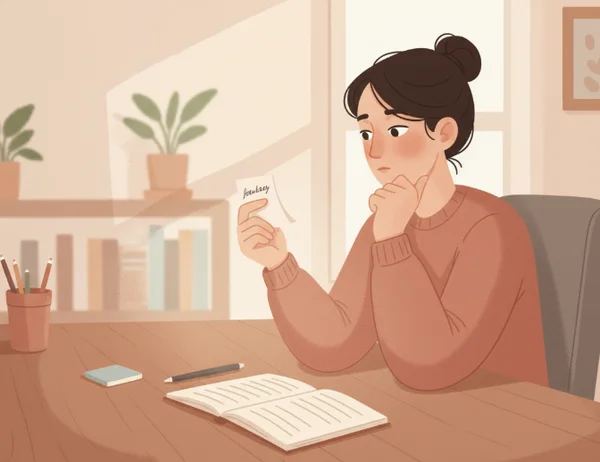
What This Pattern Looks Like in Real Life
How do corrections, invitations, and small misunderstandings fit into the pattern?
StatPearls says AVPD includes avoidance of social, interpersonal, and occupational activities that involve frequent contact because of fear of criticism, disapproval, or rejection. That is why the pattern often spreads beyond one bad conversation.
At work, a small note from a manager can trigger days of overthinking. In friendships, a delayed reply can feel like a quiet rejection. In family life, a simple misunderstanding may lead to withdrawal, silence, or intense shame. The outside event may be small. The internal prediction is what makes it feel dangerous.
What can replaying and withdrawing look like afterward?
Some people keep reviewing the moment again and again. They may mentally rewrite what they said, avoid the person for a few days, or decide not to try again. This is one reason avoidant patterns can shrink a person's life without any major conflict happening on the surface.
That replay can also affect future choices. A person may stop asking questions at work, avoid texting a friend back, or turn down a new invitation because the last small sting still feels unfinished. Over time, that habit can make life look quieter and safer from the outside while feeling smaller and lonelier from the inside.
That is also why feedback fear is worth noticing as a pattern, not as a character flaw. If corrections, invitations, and neutral comments repeatedly lead to withdrawal, the problem may be broader than low confidence or a bad week.
How to Use an AVPD Screening Result Responsibly
What patterns are worth noting after the 12-question test?
A useful question is not, "Why did that comment hurt?" It is, "What keeps happening around comments like this?" Readers can notice whether feedback leads to replaying. They can also note canceling plans, avoiding eye contact, staying silent in meetings, or assuming rejection before it is confirmed.
A structured fear-of-rejection self-check can help organize those observations. The site's optional AI report for avoidant patterns can also help turn vague discomfort into more specific language about strengths, challenges, and next steps.
It also helps to notice setting and frequency. Does this happen with strangers only, or with safe people too? Does it show up after 1 difficult interaction, or across work, dating, family, and friendship over time? A broader AVPD first-step resource is most useful when it helps readers see repeated patterns instead of reacting to one painful memory.

When may a professional conversation help more than more guessing?
MedlinePlus says AVPD is diagnosed through a psychological evaluation, not a quick self-test. Personality disorder guidance also describes diagnosis as an enduring and inflexible pattern across a broad range of personal and social situations (personality disorder overview). That means a screening result is a first step, not a final label.
A professional conversation may help when feedback fear keeps disrupting work, friendships, dating, family life, or basic self-worth. It may also help when avoidance is growing, when everyday situations feel unbearable, or when shame is pushing someone into deeper isolation.
Next Steps: What to Do if Feedback Fear Keeps Shrinking Your Life
When is self-reflection useful, and when is more support needed?
Self-reflection is useful when a person wants to notice recurring triggers and prepare for a clearer conversation later. It can help someone separate one painful memory from a pattern that shows up across many settings.
More support is needed when avoidance is becoming a life strategy instead of a temporary defense. If someone keeps turning down opportunities, pulling away from safe relationships, or feeling crushed by ordinary feedback, a qualified mental health professional may offer more help than more private guessing.
Seek immediate help if distress becomes severe, if someone is unsafe, or if there are signs of self-harm. Online screening can support insight, but urgent risk always needs direct offline care.
The goal is not to become invulnerable to feedback. It is to understand when fear of rejection has started shaping work, connection, and self-worth more than the situation itself. That understanding can be the first step toward steadier support and less automatic withdrawal.