Dismissive vs Fearful Avoidant: Key Differences & Signs
It is painful to love someone who pushes you away, especially when you can't figure out why they are doing it. Sometimes, your partner seems cold and distant, like they don't need anyone at all. Other times, they pull you close one moment, only to freeze you out the next. This confusion often leads people to search for answers about dismissive vs fearful avoidant attachment styles.
Understanding these patterns is not about labeling someone as "broken." It is about making sense of the mixed signals. By learning the difference between dismissive avoidant and fearful avoidant behaviors, you can stop taking their reactions personally. If you are just starting to explore these concepts, you might also want to check our comprehensive attachment style guide to see the bigger picture.

The Core Difference: "I Don't Need You" vs. "I'm Scared of You"
At first glance, both attachment styles look similar because they both involve distancing. However, the motivation behind the distance is completely different. To understand the difference between dismissive avoidant and fearful avoidant individuals, you must look at their core view of themselves and others.
The Dismissive Mindset: Independence as a Shield
A person with a dismissive avoidant style often views themselves positively but views others negatively. Their core belief is, "I am fine on my own; others are needy or unreliable."
They use independence as a shield. For them, intimacy feels like a trap or a loss of freedom. When they pull away, it isn't because they are afraid you will hurt them; it is because they genuinely believe they don't need deep emotional connection to be happy. They value autonomy above all else and often see emotions as a weakness.
The Fearful (Disorganized) Mindset: The Desire and The Dread
Fearful avoidant attachment is often referred to as disorganized attachment. This style is more complex because it involves a negative view of both self and others. Their core conflict is, "I want love, but I am terrified it will hurt me."
Unlike the dismissive type, fearful avoidants crave intimacy. However, as soon as they get close to someone, their fear alarm goes off. They anticipate rejection or betrayal. This creates a chaotic internal state where they are constantly fighting their own desire for connection. They don't pull away because they want to be alone; they pull away because they are scared.
Origins: How Childhood Triggers Shape These Styles
These patterns often start young.
- Dismissive Avoidant Origins: Often grew up with caregivers who were emotionally unavailable or unresponsive. The child learned that crying or expressing needs didn't bring comfort, so they stopped asking.
- Fearful Avoidant Origins: Often linked to childhood trauma or chaotic home environments. The caregiver was a source of fear (due to abuse or neglect) but also the source of comfort. This taught the child that the person they love is also dangerous.
Inside Their Minds: The "Inner Voice" Comparison
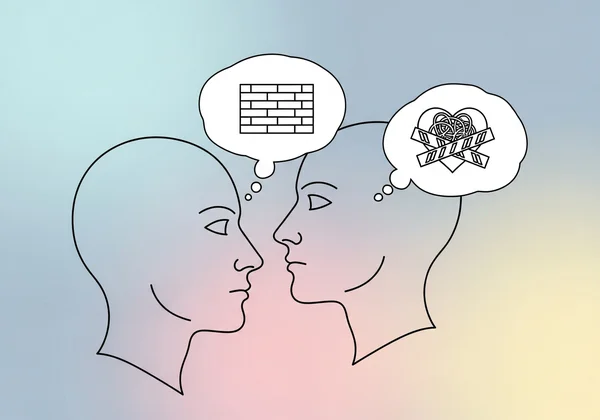
Sometimes the easiest way to spot the difference is to imagine what they are thinking during a conflict or a moment of intimacy. Here is a look at the dismissive vs fearful thought process.
The Dismissive Script: "People are clingy, I rely on myself."
- "Why are they so emotional right now? It’s overwhelming."
- "I need to get out of here and clear my head."
- "I was fine before I met them, and I’ll be fine alone."
- "Relationships are just too much work and drama."
The Fearful Script: "I want closeness, but it will hurt me."
-
"They say they love me, but they’re going to leave eventually."
-
"I need to push them away before they reject me."
-
"I want to trust them, but I have a bad feeling about this."
-
"Maybe I’m unlovable. I always mess things up."
Navigating Relationships: How Each Style Shows Up in Love
The internal mindset always leaks out into relationship behaviors. If you are dating someone with one of these styles, the fearful avoidant vs dismissive avoidant relationship dynamics will feel distinct.
Conflict Styles: Cold Walls vs. Emotional Storms
When an argument starts, a dismissive avoidant person typically builds a wall. They may shut down, refuse to talk, or become hyper-logical. They might say things like, "You're being irrational," and then physically leave the room. Their goal is to deactivate the emotion.
A fearful avoidant person, however, may have an emotional storm. They might start a fight to test your loyalty or suddenly withdraw in a panic. Their reaction is often volatile. One minute they might be accusing you of not caring, and the next they might be shutting you out completely.
How They Show Love (and Why It Looks Different)
- Dismissive Avoidant: Shows love through practical acts, loyalty, and shared activities rather than deep emotional talks. They might fix your car or plan a trip, but they struggle to say "I need you."
- Fearful Avoidant: Can be incredibly passionate and attuned to your feelings when they feel safe. They often show love through intense emotional bonding, but this can switch off instantly if they get triggered.
The "Push-Pull" Dynamic: Specific to Fearful Avoidance
This is a hallmark sign. The push-pull dynamic is rare in dismissive types, who usually just "push." Fearful avoidants will pull you in close (seeking reassurance) and then suddenly push you away (reacting to fear). If you feel like you are on an emotional rollercoaster, you are likely dealing with fearful avoidance.
The "Leaning" Spectrum: Can You Be Both?
Human behavior isn't always black and white. You might read these descriptions and feel like you or your partner fits both categories. This is common and is often described as fearful avoidant leaning dismissive.
Understanding the "Fearful Leaning Dismissive" Subtype
This usually describes someone who has a core fearful attachment (high anxiety and high avoidance) but has learned to cope primarily by shutting down (dismissive strategies).
- They may seem cold on the surface (dismissive).
- But deep down, they have high anxiety about rejection (fearful).
- Under extreme stress, the "cool" mask slips, and the panic reveals itself.
How Secure or Anxious Partners Trigger Different Sides of You
Your environment matters. A very anxious partner might make a fearful avoidant lean more "dismissive" because they feel overwhelmed. Conversely, a very distant partner might trigger their "anxious" side. Recognizing this flexibility can help you understand that these behaviors are reactions to stress, not fixed personality traits.
Is It Just Attachment Style or Something Deeper? (The AVPD Link)
Attachment styles describe how we relate to romantic partners. However, sometimes avoidance is pervasive. It doesn't just happen in love; it happens at work, with friends, and even in casual social interactions. This is where we must distinguish between an attachment style and Avoidant Personality Disorder (AVPD).
Attachment Styles vs. Personality Disorders: The Boundary
Attachment theory focuses on relationships. AVPD is a broader mental health condition characterized by extreme social inhibition, feelings of inadequacy, and hypersensitivity to negative evaluation.
- Scope: A dismissive avoidant might be confident at work but distant at home. Someone with AVPD often feels inadequate everywhere.
- Motivation: A dismissive person avoids intimacy to stay independent. A person with AVPD avoids social contact because they are convinced they will be humiliated or rejected, even though they desperately want connection.
Why Severe Avoidance Deserves a Closer Look
If you notice that fearful vs dismissive avoidant traits are causing suffering in all areas of life, it might be more than just an attachment issue.
- Do you avoid promotions at work to escape criticism?
- Do you decline almost all social invitations out of fear of being awkward?
- Is your self-esteem chronically low, regardless of your relationship status?
These could be signs of avoidant personality disorder symptoms overlapping with your attachment style.
Putting Knowledge into Practice: A Path to Self-Discovery
Identifying these patterns is the first step toward feeling better. If the description of deep-seated fear of rejection and pervasive avoidance resonates with you, it can be helpful to explore this further in a safe, private way.
We offer a confidential tool designed to help you screen for these specific traits. It is not a diagnosis, but it can provide a clear report on your patterns and suggest practical next steps. Explore Your Avoidant Traits with the AVPD Test.

Moving Toward Security and Self-Acceptance
Whether you identify as dismissive vs fearful avoidant, or suspect something deeper like AVPD, remember that you are not "broken." These are survival strategies you learned to protect yourself.
Steps to start healing:
- Observe without judgment: Notice when you want to pull away. Is it because you need space (Dismissive) or because you are scared (Fearful)?
- Communicate the need: Instead of ghosting, try saying, "I’m feeling overwhelmed and need a moment to reset."
- Seek support: Therapy is incredibly effective for rewiring attachment patterns.
Understanding yourself is the most powerful tool you have. If you are ready to dig deeper into your specific patterns, try the online AVPD test to gain more clarity on your journey.
Frequently Asked Questions
Is fearful avoidant attachment the same as disorganized attachment?
Yes, the terms are often used interchangeably. "Disorganized attachment" is typically used when discussing childhood development, while "fearful avoidant" is more common when discussing adult relationship patterns. Both describe the conflict between wanting closeness and fearing it.
Which attachment style faces more challenges in healing?
Both styles have challenges. Dismissive avoidants often struggle to admit there is a problem because their independence feels "right." Fearful avoidants are often painfully aware of the problem but struggle with the intense emotional volatility. Healing is possible for both with patience.
Can a fearful avoidant become dismissive over time?
Yes, it is possible. If a fearful avoidant person gets burned by relationships repeatedly, they might start to suppress their anxiety more heavily. They may adopt more dismissive "deactivating" strategies to numb the pain, appearing more cold and distant over time.
What are the signs that avoidance might require professional support?
If avoidance is preventing you from keeping a job, maintaining friendships, or leaves you feeling isolated and depressed, it is time to seek help. These intense patterns may indicate avoidant personality disorder symptoms or deep trauma that a therapist can help you navigate.