Personality Disorders Cluster C: Types, Traits, and Supportive Next Steps
Personality disorders Cluster C are often described as the anxious and fearful group of personality disorders. The label can sound technical, but the lived pattern is usually familiar: wanting connection while fearing rejection, leaning heavily on reassurance, or trying to control uncertainty through rules and perfectionism. For readers who are trying to understand avoidant traits in a calmer way, a private AVPD traits screener can be one educational starting point, while a licensed mental health professional remains the right person for formal assessment and care planning.
This guide explains the Cluster C personality disorders list, how the three conditions differ, how they compare with Cluster A and Cluster B patterns, and what supportive next steps can look like.
What Are Personality Disorders Cluster C?
Cluster C is one of the three broad personality disorder groups used in modern clinical classification. Cluster A personality disorders are usually described as odd or eccentric. Cluster B personality disorders are usually described as dramatic, emotional, or erratic. Cluster C is the anxious, fearful, or inhibited group.
The three Cluster C conditions are avoidant personality disorder, dependent personality disorder, and obsessive-compulsive personality disorder. They can look different on the surface. One person may avoid social contact because criticism feels unbearable. Another may defer decisions because separation or disapproval feels too threatening. Another may become rigid around standards, schedules, or correctness because flexibility feels unsafe.
The shared thread is not simple nervousness. Cluster C traits are long-standing patterns that can affect relationships, work, self-esteem, decisions, and the ability to adapt. A person can also show traits from more than one cluster, so the label is best understood as an organizing map, not a quick self-label.
The Cluster C Personality Disorders List
Avoidant Personality Disorder
Cluster C avoidant personality disorder centers on social inhibition, feelings of inadequacy, and strong sensitivity to criticism or rejection. Someone may want friendships, intimacy, or professional recognition, yet still pull back from situations where they might be judged. This is one reason avoidant personality disorder can feel confusing from the inside: the desire for closeness and the urge to retreat can exist at the same time.
Common patterns can include avoiding new social situations, holding back unless acceptance feels nearly certain, viewing oneself as socially awkward or inferior, and reading neutral feedback as possible rejection. These patterns may overlap with social anxiety, shyness, attachment concerns, depression, or trauma-related responses, which is why careful professional assessment matters.
For readers whose main question is whether long-term rejection fear may be part of an avoidant pattern, structured avoidant-trait reflection can help organize observations before a deeper conversation with a clinician.
Dependent Personality Disorder
Dependent personality disorder is built around an excessive need to be cared for and a strong fear of separation. The person may struggle to make everyday decisions without reassurance, feel uncomfortable when alone, or stay in relationships that do not feel emotionally safe because independence feels frightening.
This is not the same as enjoying closeness or asking for support. Healthy dependence is mutual and flexible. Dependent personality patterns become concerning when a person repeatedly gives up preferences, boundaries, or responsibilities to keep connection steady. In real life, this can look like apologizing before expressing a need, letting others choose major life directions, or feeling unable to act without approval.
Obsessive-Compulsive Personality Disorder
Cluster C obsessive-compulsive personality disorder, usually shortened to OCPD, involves a persistent preoccupation with order, perfectionism, control, rules, or exactness. The pattern can interfere with flexibility, efficiency, and relationships. A person may spend so much energy doing something perfectly that the main goal gets delayed or lost.
OCPD is not the same as OCD. OCD usually involves unwanted intrusive thoughts and repetitive behaviors meant to reduce distress. OCPD is a personality pattern in which the person's rules, standards, and need for control may feel correct or necessary to them, even when those patterns create strain. A person can have both, but they are different conditions.
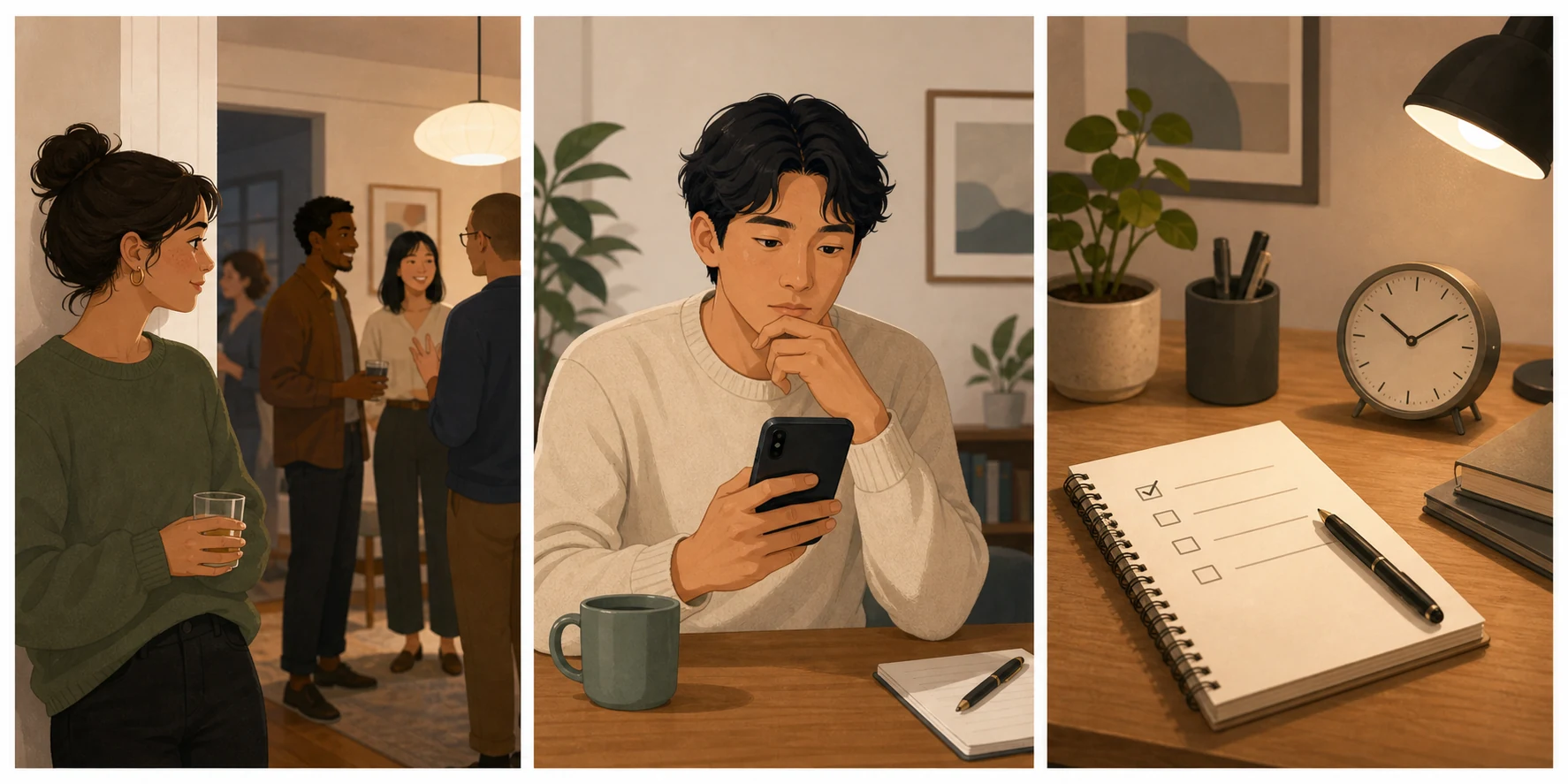
How Cluster C Differs From Cluster A and Cluster B
People often search for Cluster A personality disorders, Cluster B conditions, and Cluster C traits together because the cluster system is easy to mix up. The simplest distinction is the main pattern each group tends to organize around.
Cluster A is associated with unusual thinking, social detachment, suspicion, or eccentric behavior. It includes paranoid, schizoid, and schizotypal personality disorders. The social distance in Cluster A may come from mistrust, low interest in closeness, or unusual beliefs and perceptions.
Cluster B is associated with emotional intensity, impulsivity, attention-seeking, unstable relationships, or disregard for others' rights. It includes borderline, narcissistic, histrionic, and antisocial personality disorders. This is why the answer to "Is narcissism Cluster C?" is no. Narcissistic personality disorder belongs to Cluster B, not Cluster C.
Cluster C is more fear-based. The person may avoid, cling, comply, perfect, or control in an effort to feel safer. Conflict is not always obvious from the outside. In fact, many people with Cluster C traits look responsible, polite, self-contained, or high-achieving, while privately feeling trapped by anxiety, shame, or doubt.
Why Cluster C Traits Can Be Easy to Miss
Cluster C patterns are sometimes missed because they can look like ordinary caution, loyalty, politeness, or conscientiousness. Avoidance may be praised as being low-maintenance. Dependence may be framed as being agreeable. Perfectionism may be rewarded at school or work. The problem is not the trait in isolation; it is the rigidity, distress, and life restriction that can grow around it.
A useful question is not "Do I ever avoid, seek reassurance, or like order?" Most people do. A better question is: "Does this pattern keep narrowing my life even when part of me wants something different?"
Consider these reflection prompts:
- Do I avoid opportunities mainly because criticism would feel unbearable?
- Do I agree to things I do not want because disapproval feels too risky?
- Do I delay or abandon tasks because the standard must be perfect?
- Do my coping strategies reduce anxiety briefly but make my world smaller over time?
- Do close relationships feel important but also unsafe, exhausting, or hard to navigate?
These questions do not replace care. They simply turn a vague sense of "something is wrong with me" into more specific language.
Treatment for Cluster C Personality Disorders
Treatment for Cluster C personality disorders usually focuses on long-term patterns, not quick personality change. Talk therapy is often central. Approaches may include cognitive behavioral therapy, psychodynamic therapy, schema therapy, skills work, gradual exposure to feared situations, and relationship-focused work. The right plan depends on the person, the condition, co-occurring concerns, and the clinician's judgment.
For avoidant patterns, therapy may support realistic thinking about rejection, safer social experiments, self-worth work, and gradual movement toward connection. For dependent patterns, care may focus on decision-making, boundaries, tolerating separateness, and building self-trust. For OCPD patterns, therapy may help a person practice flexibility, notice the cost of perfectionism, and relate to mistakes with less threat.
Medication is not usually presented as a direct fix for personality disorders themselves. A prescribing clinician may consider medication when anxiety, depression, OCD, or another condition is also present. Because symptoms, risks, and medical history vary, treatment decisions should be made with qualified professionals.
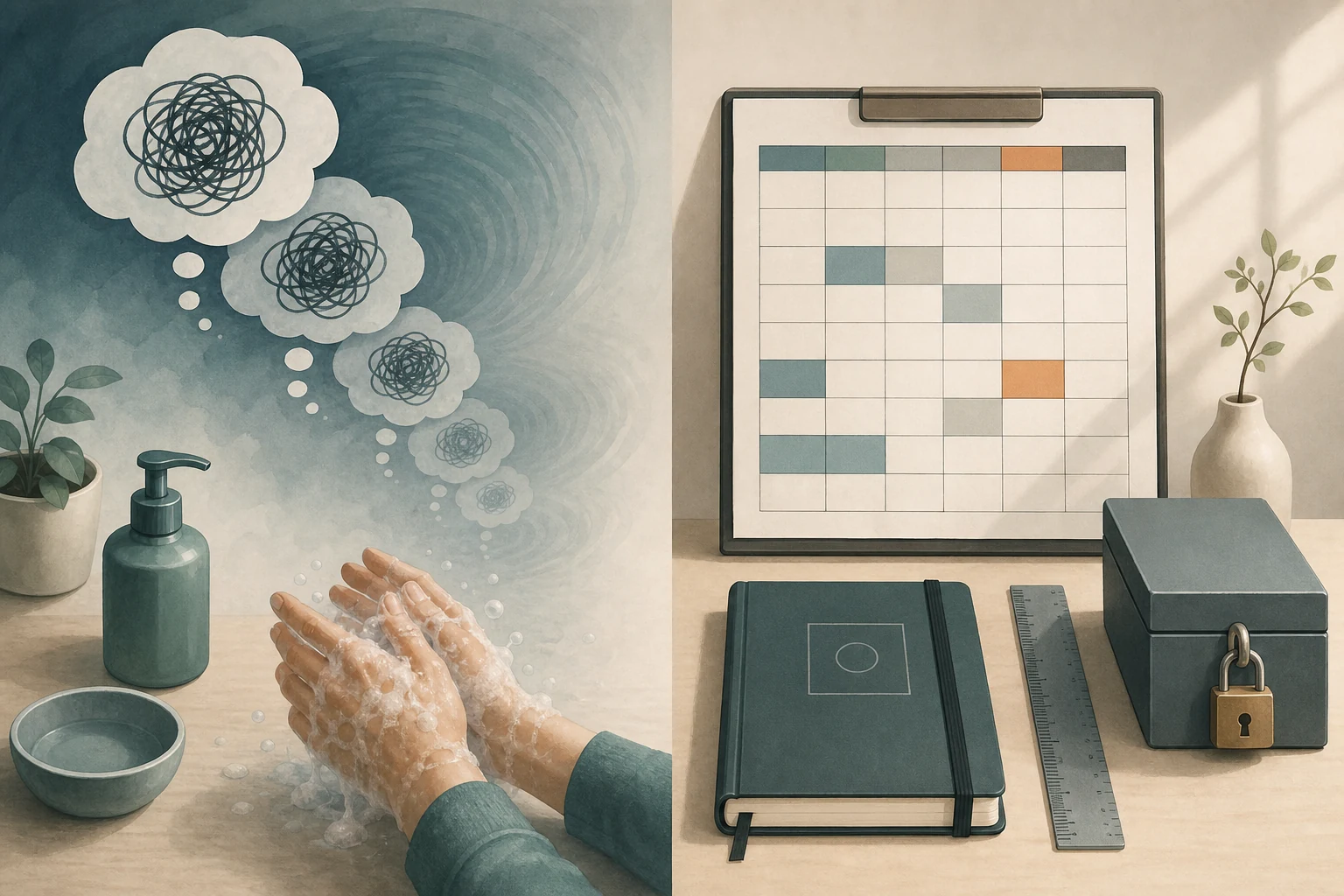
When to Seek Professional Support
Professional support is worth considering when anxiety-driven patterns repeatedly limit relationships, work, education, self-care, or safety. It may also be important when avoidance leads to isolation, dependence keeps someone in unhealthy situations, or perfectionism creates exhaustion and conflict.
You do not need perfect words before asking for help. It can be enough to say, "I keep avoiding things I care about," "I panic when someone may be upset with me," or "I cannot relax unless everything is controlled." A clinician can ask follow-up questions about duration, intensity, early history, relationships, functioning, and co-occurring symptoms.
If there are thoughts of self-harm or immediate danger, urgent local support is more appropriate than online reading. In the United States, calling or texting 988 connects people with the Suicide & Crisis Lifeline. For life-threatening emergencies, call emergency services.
Using Cluster C Language Without Turning It Into a Label
The most helpful use of Cluster C language is not to pin a permanent label on yourself. It is to notice patterns with more compassion and precision. "I am broken" gives you nowhere to go. "I avoid situations where criticism feels likely" gives you a specific pattern to discuss, track, and work with.
If avoidant traits are the part of Cluster C that feels most familiar, an educational AVPD self-reflection tool can help you organize what you notice about rejection fear, social avoidance, and self-worth. Use the result as a starting point for reflection or conversation, not as a final answer.
Personality disorders Cluster C are serious enough to deserve care, but they are not a character verdict. They describe patterns that may have once felt protective and later became restrictive. With support, people can often build more flexible ways to handle fear, connection, autonomy, and uncertainty.

FAQ
Which personality disorders are in Cluster C?
Cluster C includes avoidant personality disorder, dependent personality disorder, and obsessive-compulsive personality disorder. The group is often described as anxious, fearful, or inhibited because fear tends to shape how the person handles relationships, decisions, uncertainty, and control.
Is narcissism Cluster C?
No. Narcissistic personality disorder belongs to Cluster B, the group usually associated with dramatic, emotional, or erratic patterns. Cluster C includes avoidant, dependent, and obsessive-compulsive personality disorders.
What is the difference between OCD and OCPD?
OCD usually involves unwanted intrusive thoughts and repetitive behaviors performed to reduce distress. OCPD is a broader personality pattern involving perfectionism, order, control, and rigidity. The two names sound similar, and they can overlap, but they are not the same condition.
What are the nine commonly listed BPD criteria?
Borderline personality disorder is a Cluster B condition, not Cluster C. The commonly listed criteria areas include fear of abandonment, unstable relationships, identity disturbance, impulsivity, self-harm risk, mood instability, emptiness, intense anger, and stress-related suspiciousness or dissociation. A professional evaluates the whole pattern rather than one item alone.
Are Cluster C personality traits always a disorder?
No. Many people are cautious, reassurance-seeking, sensitive, orderly, or perfectionistic at times. A personality disorder involves a persistent, inflexible pattern that creates significant distress or impairment across important parts of life.
Can Cluster C personality disorders improve?
Many people can learn more flexible coping patterns with appropriate support. Therapy may help with avoidance, self-trust, boundaries, perfectionism, and relationship skills. Progress is usually gradual, and the right plan depends on the person's needs and clinical context.
How is Cluster C avoidant personality disorder different from shyness?
Shyness can be temporary, situational, or mild. Avoidant personality disorder involves a more persistent pattern of social inhibition, feelings of inadequacy, and rejection sensitivity that can restrict work, friendships, intimacy, and everyday choices.